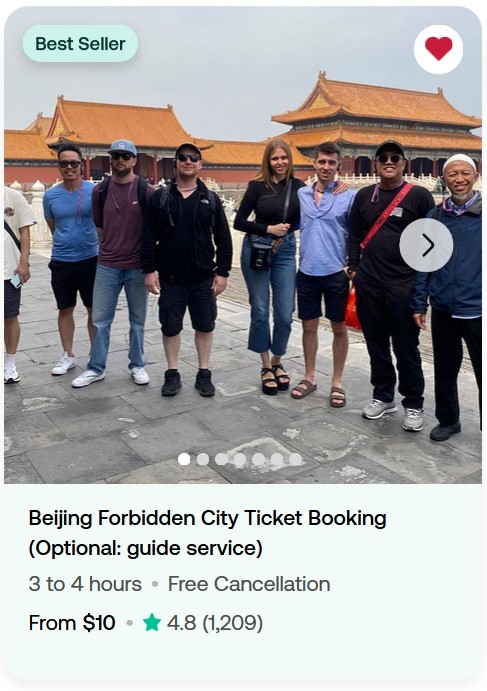
Beijing, the vibrant capital of China, is a treasure trove of history, culture, and architectural marvels. For travelers staying at the Beijing East Sacred Hotel located at No. 33 Jia, No. 3 Street, Dongdan, Beijing, BJ, China, you’re perfectly positioned to dive into the heart of the city’s imperial legacy. Just a short 15–20 minute drive or metro ride away, you can immerse yourself in two of Beijing’s most iconic landmarks: the majestic Forbidden City and the expansive Tiananmen Square. These sites not only offer a glimpse into China’s dynastic past but also serve as symbols of its modern identity.
In this comprehensive guide, we’ll explore the history, highlights, and practical tips for visiting the Forbidden City and Tiananmen Square. Whether you’re a history buff, a photography enthusiast, or a first-time visitor to Beijing, this SEO-optimized post will help you plan an unforgettable day trip from your hotel. We’ll cover everything from getting there to insider tips for beating the crowds. Let’s embark on this journey through historic Beijing!
Why Visit the Forbidden City and Tiananmen Square from Beijing East Sacred Hotel?
As a guest at the Beijing East Sacred Hotel in Dongdan, you’re in one of Beijing’s most convenient districts. Dongdan is a bustling area known for its shopping streets, like Wangfujing, and excellent public transportation links. The hotel’s central location makes it an ideal base for exploring Beijing’s historic sites without the hassle of long commutes.
The Forbidden City, also known as the Palace Museum, is the world’s largest palace complex and was home to 24 emperors from the Ming and Qing dynasties. Right next to it is Tiananmen Square, one of the largest public squares globally, steeped in political and cultural significance. Together, they form the epicenter of Beijing’s historical narrative, attracting millions of tourists annually. From your hotel, it’s an easy jaunt – hop on Metro Line 1 from Dongdan Station, and you’re there in minutes. This proximity allows you to maximize your time sightseeing rather than traveling.
Pro Tip: If you’re traveling during peak seasons (spring and autumn), book your Forbidden City tickets online in advance via the official Palace Museum website to skip the lines.
A Deep Dive into the Forbidden City: China’s Imperial Heart
Historical Background of the Forbidden City
Constructed between 1406 and 1420 during the Ming Dynasty, the Forbidden City (Gugong in Chinese) spans an astonishing 720,000 square meters and features over 980 buildings. It served as the imperial palace for nearly 500 years, housing emperors and their courts until the fall of the Qing Dynasty in 1912. The name “Forbidden City” comes from the fact that commoners were barred from entering without permission – a testament to its exclusivity and the divine status of the emperors.
This UNESCO World Heritage Site is a masterpiece of Chinese architecture, symbolizing the harmony between heaven and earth. Its design follows traditional feng shui principles, with symmetrical layouts, red walls, and golden roofs that gleam under the Beijing sun. As you wander through its vast courtyards, you’ll feel the weight of history – from the opulent throne rooms where emperors issued decrees to the serene gardens where consorts strolled.
Must-See Highlights in the Forbidden City
- The Meridian Gate (Wumen): Your grand entrance to the complex. This towering gate, with its five arches, was once reserved for the emperor alone. Today, it’s the starting point for most tours.
- Hall of Supreme Harmony (Taihe Dian): The largest hall in the Forbidden City and the site of imperial coronations and weddings. Admire the intricate dragon motifs and the massive throne, symbolizing imperial power.
- Imperial Gardens: A peaceful oasis at the northern end, featuring ancient cypress trees, rockeries, and pavilions. It’s a perfect spot for reflection after exploring the busier areas.
- Palace Museum Exhibits: The Forbidden City houses over 1.8 million artifacts, including jade carvings, porcelain, and imperial jewelry. Don’t miss the Clock Gallery, showcasing mechanical wonders from the 18th century.
For a more immersive experience, consider renting an audio guide or joining a guided tour. Allocate at least 3-4 hours to fully appreciate the site – it’s easy to get lost in its labyrinthine beauty.
Tips for Visiting the Forbidden City
- Best Time to Go: Early morning visits are highly recommended to avoid crowds and capture stunning photos in the soft light. The site opens at 8:30 AM, and arriving by 8 AM from your hotel ensures a serene start.
- Entry and Tickets: Tickets cost around 60 CNY (about $8 USD) in peak season. Remember, the Forbidden City is closed on Mondays.
- What to Bring: Comfortable walking shoes (you’ll cover a lot of ground), sunscreen, and a hat – Beijing’s weather can be unpredictable.
- Accessibility: The complex is mostly wheelchair-friendly, but some areas have steps. Electric scooters are available for rent.
From the Beijing East Sacred Hotel, take a taxi (15-20 minutes, costing 20-30 CNY) or the metro: Walk to Dongdan Station, take Line 1 to Tiananmen East, and you’re steps away.
Tiananmen Square: The Pulse of Modern Beijing
The Significance of Tiananmen Square
Adjacent to the Forbidden City, Tiananmen Square is a colossal 440,000-square-meter plaza that has witnessed pivotal moments in Chinese history. Built in 1417 and expanded in the 1950s, it’s named after the Tiananmen Gate (“Gate of Heavenly Peace”), which marks the entrance to the Forbidden City. The square is not just a historical site but a symbol of China’s revolutionary past, including the proclamation of the People’s Republic of China by Mao Zedong in 1949.
Today, it’s a gathering place for locals and tourists alike, blending solemn monuments with everyday life. It’s one of the world’s largest public squares, capable of holding over a million people.
Key Attractions in Tiananmen Square
- Monument to the People’s Heroes: A towering obelisk in the center, dedicated to those who fought for China’s independence. Its bas-reliefs depict revolutionary scenes.
- National Museum of China: On the eastern side, this massive museum boasts over 1.4 million artifacts covering 5,000 years of Chinese history. Entry is free, but reservations are needed.
- Great Hall of the People: To the west, this is China’s parliamentary building, where major political events occur. Tours are available when sessions aren’t in progress.
- Mausoleum of Mao Zedong: Pay respects to the founding father of modern China (note: no bags or cameras allowed inside).
- Flag-Raising Ceremony: If you’re an early riser, catch the daily flag-raising at sunrise – a patriotic spectacle with marching soldiers.
The square is free to enter, but security checks are thorough, so plan accordingly.
Practical Tips for Tiananmen Square
- Crowd Management: Like the Forbidden City, mornings are best. Avoid national holidays when it gets packed.
- Security and Etiquette: Expect bag scans and metal detectors. Photography is allowed, but be respectful – this is a site of national importance.
- Combining Visits: Enter Tiananmen Square first, then proceed to the Forbidden City via the underpass for a seamless experience.
- Nearby Eats: After your visit, head back towards Dongdan for authentic Beijing duck or street food on Wangfujing Street, just a short walk from your hotel.
From the Beijing East Sacred Hotel, the metro ride is straightforward: Line 1 to Tiananmen East or West Station. Driving takes 15-20 minutes, depending on traffic.
Planning Your Day Trip: Itinerary and Insider Advice
Sample Itinerary from Beijing East Sacred Hotel
- 7:00 AM: Breakfast at the hotel – fuel up with congee or dim sum.
- 8:00 AM: Metro or taxi to Tiananmen Square. Spend 1-2 hours exploring.
- 10:00 AM: Enter the Forbidden City. Dedicate 3-4 hours here.
- 2:00 PM: Lunch nearby – try a local eatery for jianbing (Chinese crepes).
- Afternoon: Return to the hotel or explore Wangfujing for shopping.
- Evening: Relax with a hotel spa session or venture out for Beijing’s nightlife.
Final Thoughts: Embrace Beijing’s Timeless Charm
Exploring the Forbidden City and Tiananmen Square from the Beijing East Sacred Hotel is more than just sightseeing – it’s a journey through centuries of Chinese heritage. These landmarks encapsulate the grandeur of imperial China and the spirit of its people. With easy access, stunning visuals, and endless stories, they’re essential for any Beijing itinerary.
Ready to book your adventure? Contact the hotel concierge for personalized tips, or share your experiences in the comments below. Safe travels, and may your Beijing exploration be filled with wonder!